

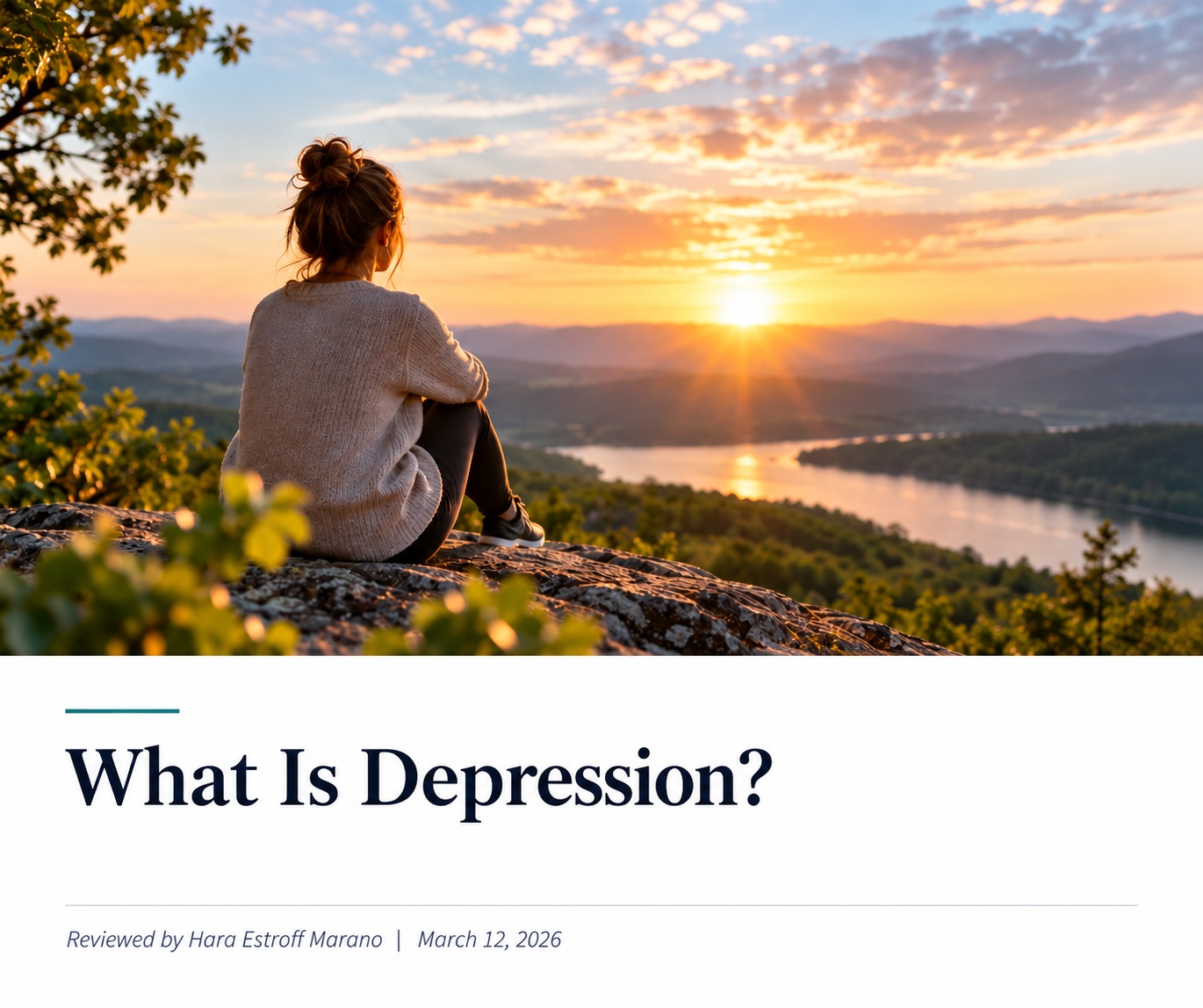
Understanding Depression: Recognizing the Signs and Finding Hope
Understanding Depression: Recognizing the Signs and Finding Hope
Depression is more than having a bad day or going through a temporary period of sadness. It is a complex condition that can affect how a person thinks, feels, sleeps, eats, works, interacts with others, and experiences everyday life.
For some people, depression follows a difficult event such as loss, trauma, relationship problems, or prolonged stress. For others, it may appear without an obvious reason. There is no single known cause. Researchers believe depression can develop through a combination of biological, genetic, psychological, and environmental factors.
Most importantly, depression is treatable, and there is reason for hope.
Depression Can Look Different for Everyone
There is no single experience of depression. Some people may struggle with profound sadness, while others experience emptiness, irritability, exhaustion, or a loss of interest in things that once brought them happiness.
Common signs can include:
- Persistent sadness, anxiety, or feelings of emptiness
- Hopelessness or pessimism
- Feelings of guilt, worthlessness, or helplessness
- Loss of interest or pleasure in activities
- Low energy or persistent fatigue
- Difficulty concentrating, remembering, or making decisions
- Irritability or restlessness
- Changes in appetite or weight
- Insomnia, waking unusually early, or sleeping excessively
- Unexplained physical symptoms such as headaches, digestive problems, or persistent pain
- Thoughts about death or suicide
Not everyone experiences all of these symptoms, and their severity can vary considerably from one person to another.
Depression Affects More Than Your Mood
One of the important developments in our understanding of depression is recognizing that it is not simply a matter of being unhappy.
Depression can affect multiple systems throughout the body. Sleep, appetite, energy, concentration, motivation, and physical health can all be affected. Depression and anxiety also frequently occur together.
This is one reason telling someone to simply “cheer up,” “think positively,” or “pull yourself together” can be so harmful. Clinical depression is not a personal weakness or something a person can simply decide to stop experiencing.
What Causes Depression?
There isn’t one answer.
Genetics may make some people more vulnerable. Difficult life experiences—including trauma, losing someone close, relationship difficulties, or overwhelming stress—can contribute to a depressive episode.
Biological processes involving the brain, nervous system, stress response, sleep cycles, and other systems of the body are also areas of continuing research.
Understanding this complexity is important because it helps remove the stigma that still surrounds depression. Someone experiencing depression isn’t failing at life. They may be dealing with a genuine health condition that deserves attention and care.
Treatment Can Make a Difference
Perhaps the most important message is this: even severe depression can be treated.
Treatment will not look exactly the same for everyone. Depending on the individual, professional care may include psychotherapy, medication, or a combination of approaches. Cognitive behavioral therapy (CBT), which helps people recognize and change problematic patterns of thinking and behavior, is among the established treatments for depression.
Lifestyle and behavioral approaches may also play supportive roles, but persistent or serious depression deserves professional evaluation.
Seeking help early can be especially important. The longer someone suffers in silence, the more depression can interfere with relationships, work, health, and everyday functioning.
Depression and Suicide
Depression can sometimes become so severe that a person begins thinking about death or suicide.
Any discussion of wanting to die should be taken seriously.
Don’t be afraid to ask someone directly if they are thinking about suicide. Asking the question does not mean you are putting the idea into someone’s mind. It can open the door to an important conversation and help someone get the support they need.
If you or someone you know is experiencing suicidal thoughts or a mental health crisis in the United States, call or text 988 to reach the 988 Suicide & Crisis Lifeline. If there is an immediate life-threatening emergency, call 911 or go to the nearest emergency department.
There Is Hope
Depression can make the future seem dark, permanent, and impossible to change. But what someone feels during depression does not necessarily reflect what their future will be.
Treatment, human connection, professional support, and time can make an enormous difference.
We can also help one another by paying attention. Check on the friend who has become unusually quiet. Listen when someone tells you they’re struggling. Take changes in behavior seriously. Encourage people to seek professional help without embarrassment or judgment.
Sometimes a simple question can open a door:
“How are you really doing?”
And sometimes knowing that another person genuinely wants to hear the answer can be the beginning of hope.
This article was inspired by and adapted from information presented in Psychology Today’s “What Is Depression?”, reviewed March 12, 2026. It is intended for educational and awareness purposes and is not a substitute for professional medical advice, diagnosis, or treatment.